Knowledge
The Future of Private Label Watches: Opportunities in China
Writer:admin Time:2025-08-06 16:21 Browse:views
The global watch industry is entering a new phase of transformation. While traditional luxury brands continue to dominate high-end markets, private label watches are rapidly gaining ground across mid-range and entry-level segments. This shift is not accidental. It reflects changing consumer behavior, evolving retail models, and the growing maturity of watch manufacturing in China.
China has moved beyond its reputation as a low-cost production base. Today, it is a strategic partner for global watch brands, offering design support, advanced OEM capabilities, flexible customization, and scalable production. For entrepreneurs, distributors, and emerging brands, private label watch manufacturing in China presents long-term opportunities that extend far beyond short-term cost savings.
This article explores the future of private label watches in China, examining structural trends, manufacturing models, branding opportunities, quality expectations, and the strategies required to build sustainable watch brands in the years ahead.
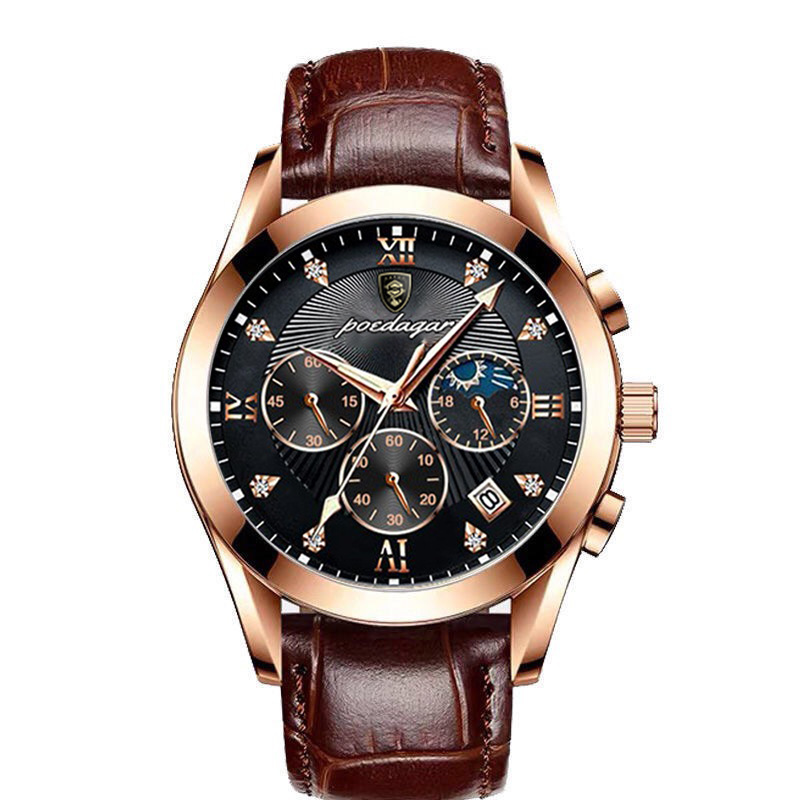
Why Private Label Watches Are Shaping the Future of the Watch Industry
Private label watches allow brands to control storytelling, pricing, and customer relationships while outsourcing production to specialized manufacturers. As digital channels reduce the dominance of legacy brands, private labels are becoming more competitive and credible.
Shifting Consumer Perceptions of Watch Brands
Modern consumers are increasingly brand-agnostic. Instead of focusing on heritage alone, buyers evaluate watches based on design, functionality, materials, and value. Social media, online reviews, and influencer marketing have reshaped trust mechanisms, enabling new brands to compete with established names.
The Role of Direct-to-Consumer Models
Direct-to-consumer strategies eliminate layers of distribution, allowing private label brands to offer better pricing or invest more in product quality. This business model aligns well with OEM manufacturing in China, where flexible production and customization support fast-moving brands.
Table 1: Key Drivers of Private Label Watch Growth
| Driver | Impact on the Market |
|---|---|
| Consumer focus on value | Increased demand for affordable quality |
| Growth of DTC brands | Faster brand launches |
| OEM manufacturing maturity | Reduced production risk |
| Design accessibility | More differentiated products |
| Global e-commerce | Broader market reach |
China’s Strategic Position in Private Label Watch Manufacturing
China’s watch industry has evolved into an integrated ecosystem covering design, component manufacturing, assembly, testing, and export logistics. This vertical integration supports both small brands and large distributors.
Guangzhou as a Long-Term Watch Manufacturing Hub
Guangzhou remains one of the most important centers for private label watch production. Its dense network of component suppliers, skilled labor, and export-oriented factories allows brands to shorten development cycles and maintain consistent quality.
Experienced OEM suppliers such as https://guangzhouwatch.com/ reflect this evolution by offering structured private label services that combine customization, quality control, and scalability.
End-to-End OEM Capabilities in Modern Factories
Today’s leading Chinese watch factories often provide:
Design and engineering support
Prototyping and sampling
Logo and branding integration
Multi-stage quality inspections
Packaging and export documentation
Table 2: Core Capabilities of Chinese Watch OEM Manufacturers
| Capability | Benefit to Brands |
|---|---|
| In-house design | Faster product development |
| Component sourcing | Stable supply and quality |
| Flexible MOQs | Lower entry barriers |
| QC systems | Consistent production standards |
| Export experience | Compliance and logistics support |
Manufacturing Models Defining the Future: OEM and Private Label
Choosing the right manufacturing model is central to long-term brand strategy.
OEM Manufacturing for Brand Differentiation
OEM manufacturing allows brands to define their own designs, materials, and specifications. This model supports stronger brand identity and long-term value creation, making it ideal for brands focused on differentiation rather than short-term trends.
Private Label Strategies for Market Testing and Expansion
Private label models also allow brands to test markets efficiently, refine designs, and expand product lines without excessive upfront investment.
Table 3: Comparison of Watch Manufacturing Models
| Model | Customization | Time to Market | Brand Control | Strategic Fit |
|---|---|---|---|---|
| OEM | High | Medium to long | Full | Long-term brands |
| Private Label | Medium | Medium | Strong | Brand expansion |
| Standard Wholesale | Low | Short | Limited | Entry testing |
Branding Opportunities in the Future Private Label Market
As manufacturing becomes more accessible, branding becomes the primary differentiator.
Design Consistency and Brand Recognition
Successful private label brands focus on consistent visual language, including case shapes, dial layouts, and color palettes that are recognizable across collections.
Packaging and Experience as Value Signals
Packaging, warranty cards, and presentation play an increasingly important role in perceived value, particularly for online sales.
Table 4: Branding Elements That Influence Consumer Trust
| Element | Branding Impact |
|---|---|
| Dial design | First impression |
| Logo execution | Brand recognition |
| Case finishing | Perceived quality |
| Strap materials | Comfort and durability |
| Packaging | Overall brand experience |
Quality Expectations and Trust in the Next Generation of Watch Brands
As private label watches gain visibility, quality expectations rise.
Strengthening Quality Control Systems
Future-oriented brands collaborate closely with OEM partners to implement strict quality standards, covering materials, assembly accuracy, and functional testing.
Transparency as a Trust-Building Tool
Clear communication about movements, materials, and manufacturing processes builds credibility, especially in competitive online markets.
Table 5: Trust Factors for Sustainable Private Label Watch Brands
| Factor | Long-Term Value |
|---|---|
| Consistent quality | Brand reputation |
| Clear specifications | Reduced disputes |
| Reliable warranties | Customer confidence |
| Stable suppliers | Supply continuity |
| Ethical practices | Brand credibility |
Risks and Challenges Facing Private Label Watch Brands
Despite strong opportunities, brands must address:
Market saturation
Intellectual property protection
Supplier inconsistency
Rising material and labor costs
Proactive supplier vetting and clear agreements are essential for risk management.
Scaling Private Label Watch Brands in China
Long-term success requires planning beyond the first production run.
Building Strategic Supplier Partnerships
Brands that treat manufacturers as long-term partners benefit from improved pricing, priority production, and access to new technologies.
Expanding Product Lines and Global Reach
Once a core collection is established, brands can expand into limited editions, premium materials, and region-specific designs.
Conclusion: Long-Term Opportunities for Private Label Watches in China
The future of private label watches is closely tied to China’s continued evolution as a global manufacturing and branding partner. With mature OEM capabilities, design integration, and export experience, China offers sustainable opportunities for brands willing to invest in differentiation, quality, and trust.
By working with experienced partners such as https://guangzhouwatch.com/, private label watch brands can build resilient supply chains, scalable product lines, and credible global brands positioned for long-term growth.
Related Article

CATEGORIES
LATEST ARTICLES
- Key Points to Check Rolex Warranty Cards and Packaging in Guangzhou
- Watch Buyer’s Guide: Identifying Replica Rolex in Guangzhou Watch Market
- How to Distinguish Real vs Replica Rolex in Guangzhou Watch Market
- Tips for Spotting Replica Rolex at Guangzhou Watch Market
- How to Avoid Fake Rolex When Shopping in Guangzhou Watch Market
CONTACT US
Whatsapp: +8619157461193
Wechat: +8619157461193
Telphone: +8619157461193
Email: [email protected]
Addr: Baiyun District, GuangZhou , Guangdong Province, China