Knowledge
A Guide to Watch Branding: OEM vs. ODM in the Chinese Market
Writer:admin Time:2025-08-06 16:21 Browse:views
Branding is central to the success of any watch business. In China, manufacturers offer two primary production models for international buyers: OEM (Original Equipment Manufacturing) and ODM (Original Design Manufacturing). Understanding these models is crucial for entrepreneurs, brand owners, and distributors who want to enter the market efficiently while maintaining control over product quality and brand identity.
This comprehensive guide explains the differences between OEM and ODM in the Chinese watch market, including implications for branding, customization, cost management, quality control, and scalability. It also provides actionable insights for selecting the right partner, with a focus on practical, Google EEAT-compliant information.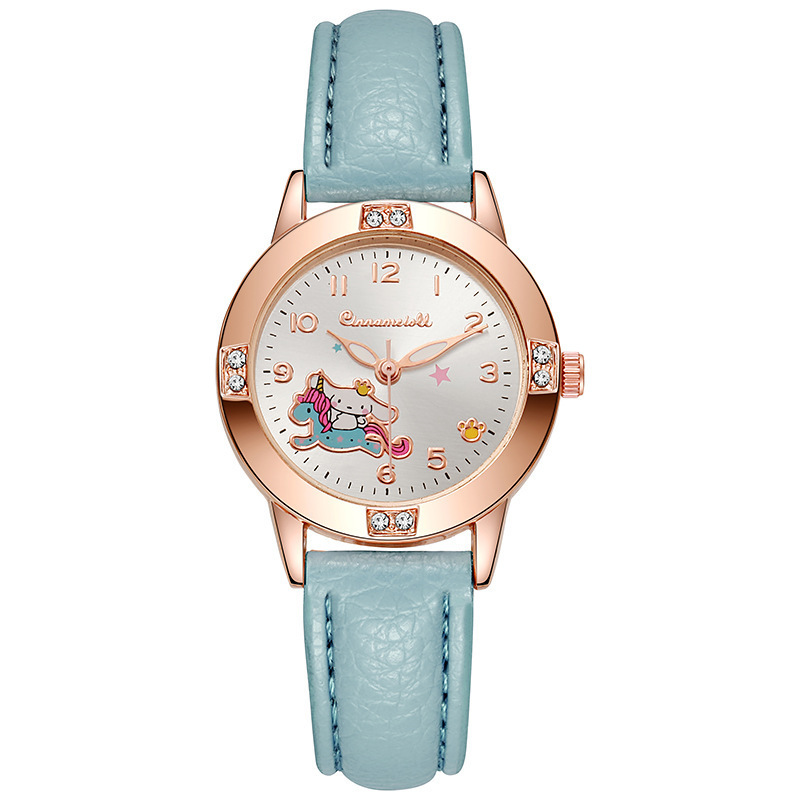
Understanding OEM and ODM in the Watch Industry
OEM involves a manufacturer producing watches according to a buyer’s specifications. The buyer supplies the design, specifications, and branding, while the manufacturer handles production. ODM, on the other hand, involves a manufacturer providing pre-designed products that the buyer can brand or slightly customize. ODM products are ideal for faster market entry but may offer less differentiation.
Table 1: OEM vs ODM Overview
| Feature | OEM | ODM |
|---|---|---|
| Product Design | Buyer-provided | Manufacturer-provided |
| Customization | Full | Limited |
| Branding | Full control | Partial control |
| MOQ | Medium to high | Low to medium |
| Lead Time | Longer (design & prototyping) | Shorter (pre-designed models) |
| Cost | Variable | Generally lower |
Choosing the right model depends on business goals, budget, and desired market positioning.
Step 1: Assessing Your Brand Goals
Before selecting OEM or ODM, define your branding objectives:
Are you launching a completely unique watch line?
Do you need full control over design, materials, and features?
Is speed to market more important than product uniqueness?
Your answers will determine whether OEM or ODM is the better fit.
Table 2: Brand Goals and Recommended Manufacturing Model
| Brand Goal | Recommended Model |
|---|---|
| Full brand differentiation | OEM |
| Fast market entry with moderate customization | ODM |
| Limited budget for design and prototyping | ODM |
| Long-term brand building with unique collections | OEM |
Aligning your manufacturing model with brand goals prevents costly mistakes and ensures smoother production.
Step 2: Selecting a Reliable Manufacturer in China
Both OEM and ODM require a trustworthy manufacturer. Key factors include:
Experience in your watch category
Proven quality control systems
Flexibility to accommodate design changes
Communication and transparency
Capacity for current and future production volumes
Suppliers like https://guangzhouwatch.com/ specialize in OEM and ODM services, providing structured support for international brands.
Table 3: Manufacturer Selection Criteria
| Criteria | Considerations |
|---|---|
| Experience | Years in watch production, past OEM/ODM projects |
| QC Systems | Pre-production, in-process, and final inspections |
| Flexibility | Ability to handle design modifications, MOQ adjustments |
| Communication | Timely, clear, and professional responses |
| Production Capacity | Ability to scale as your brand grows |
Careful selection mitigates risk and supports long-term brand growth.
Step 3: Design and Development Process
For OEM, the buyer provides detailed specifications including:
Case, dial, and hands design
Movement type (quartz, mechanical, hybrid)
Strap materials and colors
Packaging and branding elements
For ODM, the manufacturer offers pre-designed models that can be branded and slightly customized. Buyers must evaluate whether these designs align with brand positioning.
Table 4: Design & Development Considerations
| Aspect | OEM | ODM |
|---|---|---|
| Customization | Full design freedom | Minor modifications (color, logo, strap) |
| Branding Placement | Dial, crown, caseback, strap, packaging | Limited to logo and minor adjustments |
| Prototype Requirement | Essential | Optional |
| Lead Time | Longer due to design process | Shorter due to pre-existing models |
| Costs | Higher upfront (prototyping) | Lower upfront |
Accurate specifications and early collaboration are key to achieving high-quality outcomes.
Step 4: Quality Control and Production
Quality control is essential in both OEM and ODM processes. For OEM, factories follow structured QC protocols:
Pre-production sample approval
Component inspections
In-process checks during assembly
Final functional and cosmetic inspections
ODM manufacturers perform similar checks but may have standardized QC procedures due to pre-designed models.
Table 5: QC Checklist for OEM vs ODM
| QC Stage | OEM Focus | ODM Focus |
|---|---|---|
| Pre-Production | Prototype verification, design compliance | Sample review, logo placement verification |
| Component Inspection | Material quality, movement authenticity | Material consistency, packaging quality |
| Assembly | Alignment, hand placement, strap integration | Standard assembly, functional check |
| Functional Testing | Time accuracy, water resistance, durability | Functionality, cosmetic integrity |
| Final Inspection | Cosmetic finish, packaging, branding accuracy | Cosmetic consistency, packaging integrity |
Robust QC ensures consistent product quality and protects brand reputation.
Step 5: Cost Management and Scaling
Costs differ between OEM and ODM due to design, prototyping, and customization requirements. Effective cost management involves:
Understanding component costs
Monitoring labor and assembly expenses
Evaluating tooling and prototype investments
Planning for packaging and logistics
Scaling your brand involves increasing production volumes, expanding product lines, and building long-term supplier relationships to optimize costs.
Step 6: Private Label Branding and Market Strategy
Both OEM and ODM support private label branding, but OEM offers more flexibility for full brand expression. Consider:
Logo placement on dial, crown, caseback, strap
Custom packaging and inserts
Limited editions and special collections
Manufacturers like https://guangzhouwatch.com/ can support private label strategies, allowing brands to build recognition and differentiate from competitors.
Conclusion
Understanding the differences between OEM and ODM in the Chinese watch market is essential for building a successful brand. OEM provides full design and branding control, suitable for long-term brand differentiation. ODM offers faster time to market and lower upfront costs, ideal for startups and limited customization. Selecting a reliable manufacturer, implementing structured QC, managing costs, and leveraging private label services ensures scalable, high-quality watch production.
Guangzhou-based suppliers such as https://guangzhouwatch.com/ offer comprehensive OEM and ODM solutions, supporting brands in launching and growing their watch lines efficiently and sustainably.
Related Article

CATEGORIES
LATEST ARTICLES
- Key Points to Check Rolex Warranty Cards and Packaging in Guangzhou
- Watch Buyer’s Guide: Identifying Replica Rolex in Guangzhou Watch Market
- How to Distinguish Real vs Replica Rolex in Guangzhou Watch Market
- Tips for Spotting Replica Rolex at Guangzhou Watch Market
- How to Avoid Fake Rolex When Shopping in Guangzhou Watch Market
CONTACT US
Whatsapp: +8619157461193
Wechat: +8619157461193
Telphone: +8619157461193
Email: [email protected]
Addr: Baiyun District, GuangZhou , Guangdong Province, China