Knowledge
Guangzhou Watch Market: The Secret Hub for Private Label Watch Brands
Writer:admin Time:2025-08-06 16:19 Browse:views
In the global watch industry, some of the most influential supply hubs operate quietly behind the scenes. While consumers recognize Swiss heritage or Japanese precision, few realize how many private label and emerging watch brands rely on a single sourcing ecosystem in southern China. The Guangzhou watch market has become a strategic center for brands that value flexibility, speed, and commercial practicality.
From fashion retailers launching seasonal collections to e-commerce brands testing new designs, Guangzhou supports a wide spectrum of private label watch businesses. Its strength lies not in marketing hype, but in an unusually complete manufacturing and trading environment that allows brands to move from idea to shipment with minimal friction.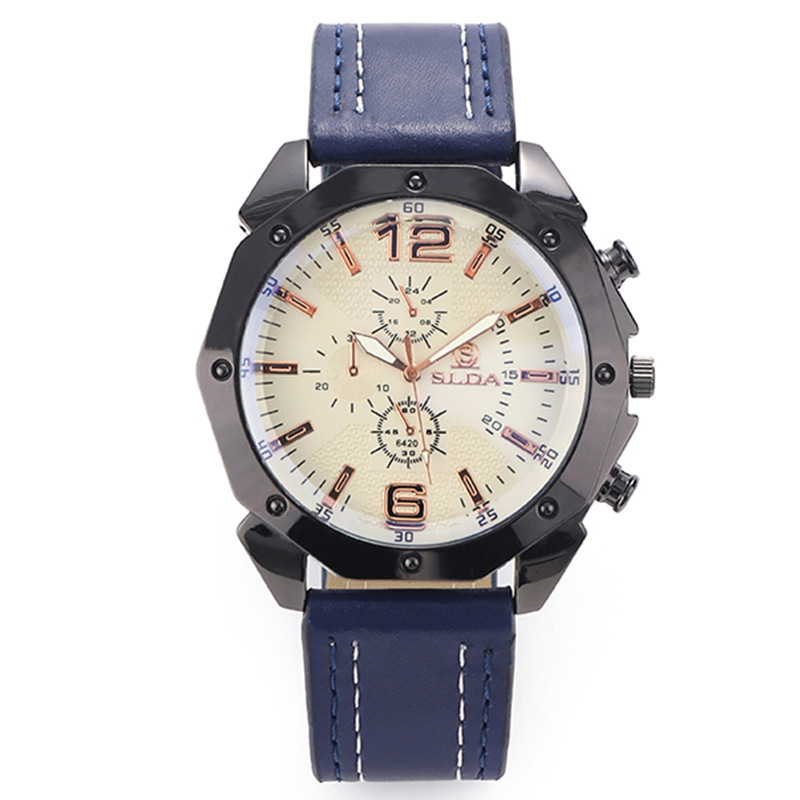
Understanding the Guangzhou Watch Market Ecosystem
The Guangzhou watch market is not a single location or wholesale hall. It represents a network of factories, component suppliers, trading companies, designers, and logistics providers concentrated across Guangzhou and the surrounding Pearl River Delta.
This ecosystem has evolved over decades, driven by export demand and continuous process refinement. Unlike fragmented sourcing regions, Guangzhou offers vertical integration, where most watch components and services can be sourced locally.
Table 1: Core Components of the Guangzhou Watch Market
| Component | Local Availability | Value to Private Label Brands |
|---|---|---|
| Watch movements | High | Stable supply and cost control |
| Cases & dials | High | Fast customization |
| Straps & bracelets | High | Material diversity |
| Packaging | High | Brand consistency |
| Export logistics | High | Reliable global delivery |
This concentration reduces lead times and simplifies communication, making it easier for brands to manage complex product launches.
Why Private Label Brands Gravitate Toward Guangzhou
Private label brands operate under unique pressures. They must differentiate visually while controlling costs and reacting quickly to market trends. Guangzhou’s watch market aligns closely with these needs.
Factories here are accustomed to producing watches under client brands rather than promoting their own labels. This OEM-first mindset encourages collaboration, confidentiality, and flexibility.
Key reasons brands choose Guangzhou include:
Lower minimum order quantities compared to traditional watchmaking regions
High tolerance for design iteration and small-batch testing
Familiarity with international branding requirements
Ability to scale rapidly once a model gains traction
OEM and Private Label Capabilities in Practice
OEM services in Guangzhou extend beyond basic assembly. Many factories offer integrated support covering design, prototyping, tooling, and packaging. For private label brands, this means fewer intermediaries and clearer accountability.
Manufacturers typically work from sketches, reference images, or technical drawings provided by the brand. Through CAD modeling and sampling, designs are refined until they meet both aesthetic and manufacturing requirements.
Industry-focused platforms such as https://guangzhouwatch.com/ are commonly used by international buyers to identify OEM partners with proven export experience in the Guangzhou watch market.
Cost Structures and Commercial Transparency
Cost control is central to private label success. Guangzhou’s watch market benefits from economies of scale, competitive labor costs, and local sourcing of components, all of which contribute to predictable pricing.
Rather than offering unrealistically low quotes, experienced factories typically provide transparent cost breakdowns. This allows brands to understand where trade-offs can be made between materials, finishing, and volume.
Table 2: Typical Cost Drivers in Private Label Watch Production
| Cost Factor | Impact Level | Notes |
|---|---|---|
| Movement selection | High | Major influence on unit cost |
| Case material | Medium–High | Stainless vs alloy |
| Order quantity | High | Scale reduces unit price |
| Packaging | Medium | Branding-driven cost |
Clear cost discussions early in the process help establish trust and reduce future disputes.
Quality Control Standards in the Guangzhou Watch Market
Quality perception is often misunderstood when discussing private label manufacturing in China. In reality, quality outcomes depend heavily on process discipline and communication rather than geography.
Many Guangzhou watch factories operate structured quality control systems with multiple inspection stages. These processes are designed to detect issues early and ensure consistency across large production runs.
Table 3: Standard Quality Control Stages
| Stage | Purpose |
|---|---|
| Incoming inspection | Verify raw materials |
| Assembly checks | Ensure functional accuracy |
| Final inspection | Confirm export readiness |
For private label brands, quality control becomes a shared responsibility between brand and factory, reinforced through clear specifications and sample approvals.
Speed to Market as a Competitive Advantage
Private label watch brands often compete on timing. Seasonal fashion cycles, influencer campaigns, and online promotions require fast turnaround.
The Guangzhou watch market supports shorter development and production timelines due to local supplier density and efficient coordination.
Table 4: Production Timeline Comparison
| Stage | Guangzhou Market | Fragmented Sourcing |
|---|---|---|
| Sampling | 2–4 weeks | 6–8 weeks |
| Tooling | 2–3 weeks | 4–6 weeks |
| Mass production | 4–6 weeks | 8–12 weeks |
This speed enables brands to respond to demand without carrying excessive inventory risk.
Export Experience and Global Market Readiness
Guangzhou-based watch suppliers typically have long histories serving overseas clients. They understand documentation requirements, labeling standards, and destination-specific regulations.
This experience reduces friction for private label brands entering new markets. Factories often assist with compliance guidance, packaging adaptations, and export coordination.
Table 5: Major Export Markets Served
| Region | Common Requirements | Factory Familiarity |
|---|---|---|
| Europe | REACH, CE | High |
| North America | CPSIA, labeling | High |
| Middle East | Arabic labeling | Medium–High |
| Asia-Pacific | Market-specific | High |
Such familiarity lowers the learning curve for newer brands.
Long-Term Partnerships Over Transactional Sourcing
One defining feature of the Guangzhou watch market is its emphasis on relationship-based business. Many factories prefer to grow alongside their private label clients rather than pursue one-off orders.
Brands that demonstrate professionalism, clear planning, and consistent communication often receive priority production slots, better pricing, and early access to new materials or designs.
Over time, these partnerships contribute to more stable supply chains and stronger product quality.
Risks and How Experienced Brands Mitigate Them
No sourcing market is without risk. Potential challenges include inconsistent communication, quality drift, or unrealistic expectations.
Experienced private label brands mitigate these risks by:
Investing time in factory selection
Documenting specifications clearly
Approving samples meticulously
Maintaining regular production oversight
The Guangzhou watch market rewards brands that approach sourcing as a structured process rather than a shortcut.
Conclusion: Why Guangzhou Remains a Hidden Powerhouse
The Guangzhou watch market has earned its position as a global hub not through branding, but through performance. For private label watch brands, it offers a rare combination of manufacturing depth, commercial flexibility, and export expertise.
As the watch industry continues to evolve, brands that understand and leverage this ecosystem gain a meaningful competitive edge. Guangzhou may remain largely invisible to end consumers, but for private label brands, it is one of the most strategically important markets in the world.
Related Article

CATEGORIES
LATEST ARTICLES
- Key Points to Check Rolex Warranty Cards and Packaging in Guangzhou
- Watch Buyer’s Guide: Identifying Replica Rolex in Guangzhou Watch Market
- How to Distinguish Real vs Replica Rolex in Guangzhou Watch Market
- Tips for Spotting Replica Rolex at Guangzhou Watch Market
- How to Avoid Fake Rolex When Shopping in Guangzhou Watch Market
CONTACT US
Whatsapp: +8619157461193
Wechat: +8619157461193
Telphone: +8619157461193
Email: [email protected]
Addr: Baiyun District, GuangZhou , Guangdong Province, China