Knowledge
How OEM Watch Manufacturing Works in Guangzhou
Writer:admin Time:2025-08-06 16:21 Browse:views
Guangzhou has earned its reputation as one of the most important watch manufacturing hubs in the world, offering a robust ecosystem for OEM watch production. Brands, distributors, and private label entrepreneurs often turn to this city for its combination of competitive pricing, flexible production, and comprehensive supply chain capabilities. Understanding how OEM watch manufacturing works in Guangzhou is essential for building a scalable, reliable, and high-quality watch business.
This guide explores the entire OEM watch manufacturing process in Guangzhou, including factory selection, production workflow, quality control, cost management, and private label opportunities. It is written in natural language, based on industry practices, and aligned with Google EEAT standards.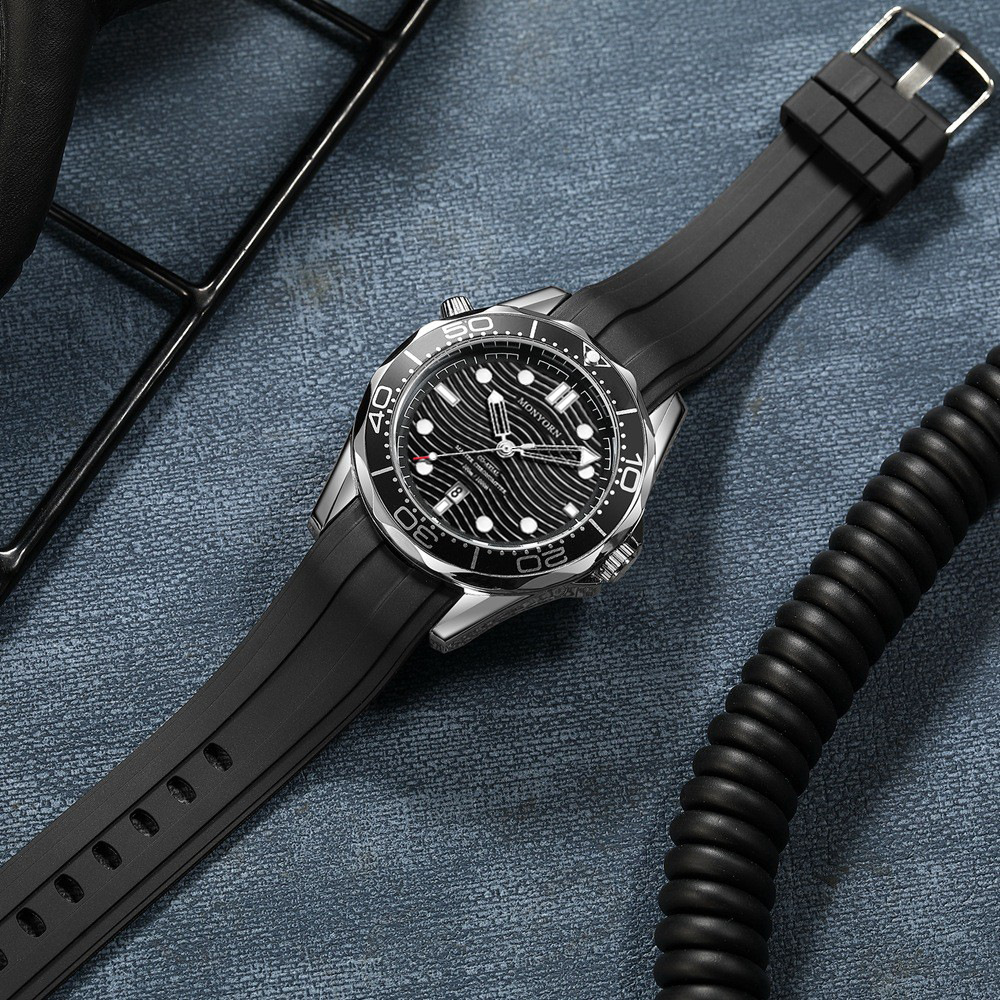
Step 1: Understanding the OEM Model
OEM, or Original Equipment Manufacturing, refers to a factory producing products according to a buyer’s specifications. Unlike standard wholesale purchases, OEM allows full customization of watch design, branding, packaging, and sometimes even movement selection.
The OEM model in Guangzhou provides:
Access to a wide range of component suppliers (cases, dials, movements, straps)
Flexibility in design and materials
Structured quality control processes
Private label and branding capabilities
Table 1: OEM vs Standard Wholesale
| Feature | OEM | Wholesale |
|---|---|---|
| Customization | High | Limited |
| Branding | Full | Often none |
| MOQ | Medium to high | Low |
| Cost per Unit | Variable | Fixed |
| Quality Control | Structured | Varies |
Understanding the OEM model is the first step to leveraging Guangzhou’s manufacturing advantages.
Step 2: Selecting a Reliable Factory
Choosing the right factory is crucial. Key factors to consider include:
Production capacity
Experience with your watch type and market
Quality assurance systems
Communication and transparency
Flexibility for future growth
Suppliers like https://guangzhouwatch.com/ offer structured OEM services, making it easier for brands to find a reliable partner.
Table 2: Factory Evaluation Criteria
| Criteria | What to Look For |
|---|---|
| Capacity | Can handle projected order volumes |
| Experience | Past projects similar to your design and segment |
| QC Systems | Pre-production, in-process, final inspection |
| Communication | Clear, timely, and professional responses |
| Flexibility | Willingness to adjust designs, MOQ, and lead times |
A strong factory relationship forms the foundation for successful OEM production.
Step 3: Design and Development Process
OEM watch manufacturing begins with a detailed design phase. Buyers provide specifications, including case design, dial layout, hands, movement type, strap material, and packaging requirements.
The process generally involves:
Initial concept submission
Technical feasibility review by the factory
Prototype development
Sample approval before mass production
Table 3: Typical Design & Development Workflow
| Stage | Purpose |
|---|---|
| Concept Submission | Communicate vision and requirements |
| Technical Review | Identify potential production challenges |
| Prototype Development | Validate design, fit, and function |
| Sample Approval | Ensure batch consistency and quality |
| Mass Production | Scale with standardized specifications |
Accurate specifications and early collaboration reduce errors during mass production.
Step 4: Production Workflow
After sample approval, the factory begins production. The workflow typically includes:
Material procurement (cases, dials, movements, straps)
Component inspection
Assembly and in-process QC
Functional testing
Final inspection and packaging
Mass production efficiency depends on clear specifications, stable supply chains, and effective factory management.
Table 4: Production Stages and Key Checks
| Stage | Key Checks |
|---|---|
| Material Procurement | Verify authenticity and quality of components |
| Component Inspection | Case dimensions, dial accuracy, movement functionality |
| Assembly | Alignment, torque, hand placement, strap integration |
| Functional Testing | Accuracy, water resistance, movement performance |
| Final Inspection | Cosmetic consistency, packaging, branding elements |
Well-defined production workflows ensure consistent quality and reduce defects.
Step 5: Quality Control and Risk Mitigation
Robust QC is essential in OEM watch manufacturing. Factories implement multiple inspection points to catch defects before they reach buyers.
Strategies include:
Pre-production sample validation
In-process monitoring during assembly
Final batch inspection
Documentation and traceability for each production run
Risk mitigation also involves clear contracts, transparent communication, and contingency planning for component shortages or design changes.
Table 5: QC Checklist for OEM Watches
| QC Stage | Checks |
|---|---|
| Pre-Production | Prototype validation, specifications approval |
| Component Inspection | Material quality, movement authenticity |
| Assembly | Hand alignment, crown function, case integrity |
| Functional Testing | Timekeeping, water resistance, battery performance |
| Packaging | Branding accuracy, protection, labeling |
Implementing structured QC protects brand reputation and reduces returns.
Step 6: Cost Management
Effective cost management is critical to maintaining profitability while scaling. Key areas to monitor include:
Material costs (cases, dials, movements, straps)
Labor and assembly costs
Tooling and prototype expenses
Packaging and logistics
Compliance and certification costs
Transparent suppliers provide cost breakdowns and identify areas for optimization without compromising quality.
Step 7: Private Label Opportunities
OEM manufacturing in Guangzhou allows for private label branding, including:
Logo placement on dials, crowns, straps
Custom packaging, manuals, and warranty cards
Branded accessories and limited editions
Private labeling enhances brand identity and customer recognition, making it a key advantage of OEM sourcing.
Step 8: Scaling Production and Distribution
Once production processes are standardized, scaling involves:
Increasing batch volumes
Diversifying product lines
Expanding to new markets
Strengthening supplier relationships for priority scheduling
Scalable OEM partnerships allow brands to maintain consistent quality while meeting growing demand.
Step 9: Long-Term Supplier Relationship Management
Successful OEM sourcing is built on long-term partnerships. Strategies include:
Regular performance reviews and feedback
Transparent communication and payment terms
Joint planning for future product lines
Collaboration on process improvements
Long-term relationships foster reliability, better pricing, and smoother scaling.
Conclusion
OEM watch manufacturing in Guangzhou offers brands a powerful combination of flexibility, quality, and cost efficiency. By understanding the OEM model, selecting reliable factories, standardizing design and production workflows, implementing rigorous QC, and managing costs and relationships, brands can scale effectively and sustainably.
For structured OEM services and experienced support in private label watch production, suppliers such as https://guangzhouwatch.com/ provide reliable solutions that allow global brands to grow with confidence.
Related Article

CATEGORIES
LATEST ARTICLES
- Key Points to Check Rolex Warranty Cards and Packaging in Guangzhou
- Watch Buyer’s Guide: Identifying Replica Rolex in Guangzhou Watch Market
- How to Distinguish Real vs Replica Rolex in Guangzhou Watch Market
- Tips for Spotting Replica Rolex at Guangzhou Watch Market
- How to Avoid Fake Rolex When Shopping in Guangzhou Watch Market
CONTACT US
Whatsapp: +8619157461193
Wechat: +8619157461193
Telphone: +8619157461193
Email: [email protected]
Addr: Baiyun District, GuangZhou , Guangdong Province, China